


Blog
Can SoftWave Therapy Help You Rely Less on Pain Medication?
Can SoftWave Therapy Help You Rely Less on Pain Medication?
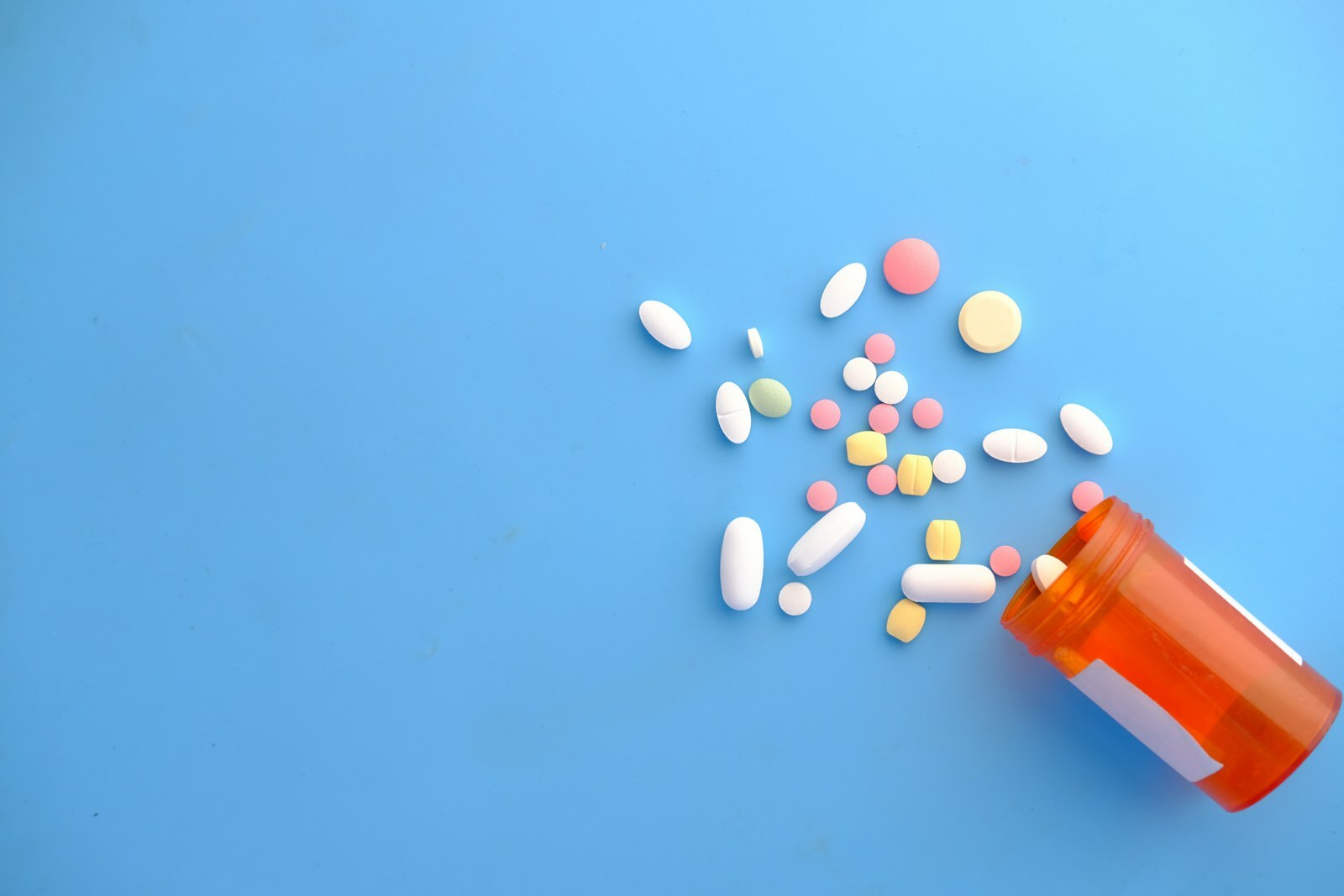
If you live in Wilmington, DE and have been managing chronic musculoskeletal pain, your day may revolve around a bottle of pills. A dose in the morning to loosen a stiff back, another in the afternoon when the shoulder flares, maybe a scheduled injection every few months just to keep moving. That routine can help you get through the day, but many people quietly wonder the same thing: is there a way to depend on medication a little less? At Integrative Physical Health, Dr. Tim Ciolkosz, DC helps patients across Delaware explore that exact question, and SoftWave Tissue Regeneration Therapy (TRT) is often part of the conversation.
Before we go further, one thing needs to be crystal clear. Nothing here is a signal to change any medication your doctor has prescribed. Decisions about NSAIDs, prescription pain relievers, or injections belong to you and your prescribing physician, full stop. What SoftWave offers is a drug-free option that works on your tissue rather than on your symptoms, and for some people that different approach can, over time, change how much symptomatic relief they feel they need.
Why So Much Pain Care Only Masks the Problem
Most common approaches to chronic musculoskeletal pain are built to quiet symptoms. That is genuinely valuable when you are hurting, and no one should feel guilty for using it. The catch is what these tools are designed to do. NSAIDs and many prescriptions turn down the volume on pain and inflammation. A cortisone injection can calm an angry joint for a while. All of these can make you more comfortable, yet none of them are designed to rebuild the underlying tendon, ligament, or soft tissue that is generating the signal in the first place.
So the pattern many people describe is a cycle. The medication wears off, the pain returns, the dose or the frequency creeps up, and the tissue itself has not actually changed. That is not a personal failure. It is simply the nature of tools that mask rather than mend. If the goal is to lean on those tools less, it helps to add something that targets the source: circulation, cellular activity, and the body's own repair response.
How SoftWave Works on the Tissue, Not Just the Feeling
SoftWave TRT is an electrohydraulic, spark-generated device that produces broad-focused acoustic waves through a patented parabolic reflector. It is the only broad-focused shockwave technology, which sets it apart from radial, electromagnetic, and piezoelectric machines. Those waves travel deep into the treatment area and are designed to trigger the body's natural healing cascade in the tissue itself. Instead of chemically dampening a pain signal, SoftWave is meant to prompt the area to respond and repair.
In plain language, here is what the therapy is designed to encourage:
- Resident stem cell activation and migration: waking up the body's own repair cells and calling them toward the area that needs help.
- Angiogenesis, meaning new blood vessel formation: supported through signaling molecules such as VEGF and eNOS, which relates to better local circulation.
- Cell proliferation and collagen support: involving factors like PCNA and BMP that relate to rebuilding healthy connective tissue.
- Modulation of inflammation: helping to regulate an inflammatory process that has become stuck rather than simply shutting it off.
- Toll-like receptor regulation and clearance of senescent cells: helping tidy up worn-out cells so healthier tissue activity can take over.
Two of those points connect directly to the medication question. SoftWave is FDA-cleared for a temporary increase in blood flow and for temporary relief of minor muscle and joint pain, along with activation of connective tissue. Better local circulation matters because blood carries the oxygen and nutrients tissue needs to recover. When an area is being nourished and prompted to repair, some patients find that the underlying discomfort behaves differently than it did when they were only masking it.
How Reduced Reliance Can Happen Over Time
Here is the honest framing, with no guarantees. SoftWave does not switch off pain the way a tablet might. It is a process. Because the therapy targets the tissue and the healing cascade, any change tends to build gradually as the body responds across a series of sessions and in the weeks and months that follow. Healing continues well after the last visit.
What many patients report is that as the underlying tissue becomes more comfortable and functional, their day simply demands less symptomatic relief than it used to. That might look like reaching for an over-the-counter option less often, or feeling that a joint is not flaring the way it once did. Whether that translates into any change to a prescription is never a decision made in a chiropractic office. It is a conversation for you and your prescribing doctor, ideally one where you can describe honestly how you are actually feeling. SoftWave's role is to give your tissue a real chance to improve so that conversation has something new to talk about.
It is also worth being clear about what the goal is not. This is not about proving you can tough it out. It is about addressing the source so that the need for symptom control naturally shifts. Results vary from person to person, and some people respond more than others.
What the Experience Is Actually Like
One reason people are drawn to SoftWave as a drug-free option is how straightforward it is. There are no needles, no drugs, no surgery, and no downtime. A typical session runs about 10 to 15 minutes, and most people go right back to their normal day afterward. Care is usually structured as a series over roughly 6 to 8 weeks, which gives the tissue time to respond and the healing process time to build.
For anyone who has been juggling medication schedules, side effects, or the hassle of repeated injections, a short and non-invasive appointment can feel like a genuinely different way to approach the problem. SoftWave has been studied at leading institutions and is used by clinicians who work with professional and collegiate athletes, which speaks to why it has drawn attention as a serious tissue-focused option rather than a quick fix.
If you are in the Wilmington area and are tired of a pain routine that revolves around the medicine cabinet, request a SoftWave consultation at Integrative Physical Health to find out whether your situation is a good candidate.
A Drug-Free Piece of a Bigger Plan
Integrative Physical Health is, as the name suggests, an integrative practice. Alongside SoftWave, Dr. Ciolkosz offers chiropractic care, spinal decompression, and red light therapy, and SoftWave often fits into a broader plan built around your specific body and goals. For someone hoping to depend less on symptomatic medication, that combined approach can be part of the appeal, because it keeps the focus on function and recovery rather than on chasing the next dose.
A consultation is what determines whether you are a good candidate and what a realistic plan looks like. Every case is different, and the only way to know how your tissue might respond is to be evaluated. What you gain from that visit is clarity: a drug-free option explained honestly, so you can make an informed choice about your own care.
Ready to Take the Next Step?
If you would like a drug-free approach that works on the tissue behind your chronic pain, a consultation is the place to start, and any change to prescribed medication always stays a conversation between you and your doctor. Take that first step toward a plan built around healing rather than masking.
Request your SoftWave Therapy new patient visit online today
Contact Integrative Physical Health
Integrative Physical Health
3105 Limestone Road, Suite 303
Wilmington, DE 19808
Phone: 302-510-6780
Our Main Office Website: https://integrativephysicalhealth.com/
‹ Back
Recent Posts
-
SoftWave Therapy for TMJ and Jaw Pain
June 24, 2026
-

-
SoftWave Therapy for Physically Demanding Jobs
May 12, 2026
-

SoftWave Therapy for Pickleball Players in Wilmington, DE
April 21, 2026
-


 3105 Limestone Road
