


Blog
SoftWave Therapy for Pickleball Players in Wilmington, DE
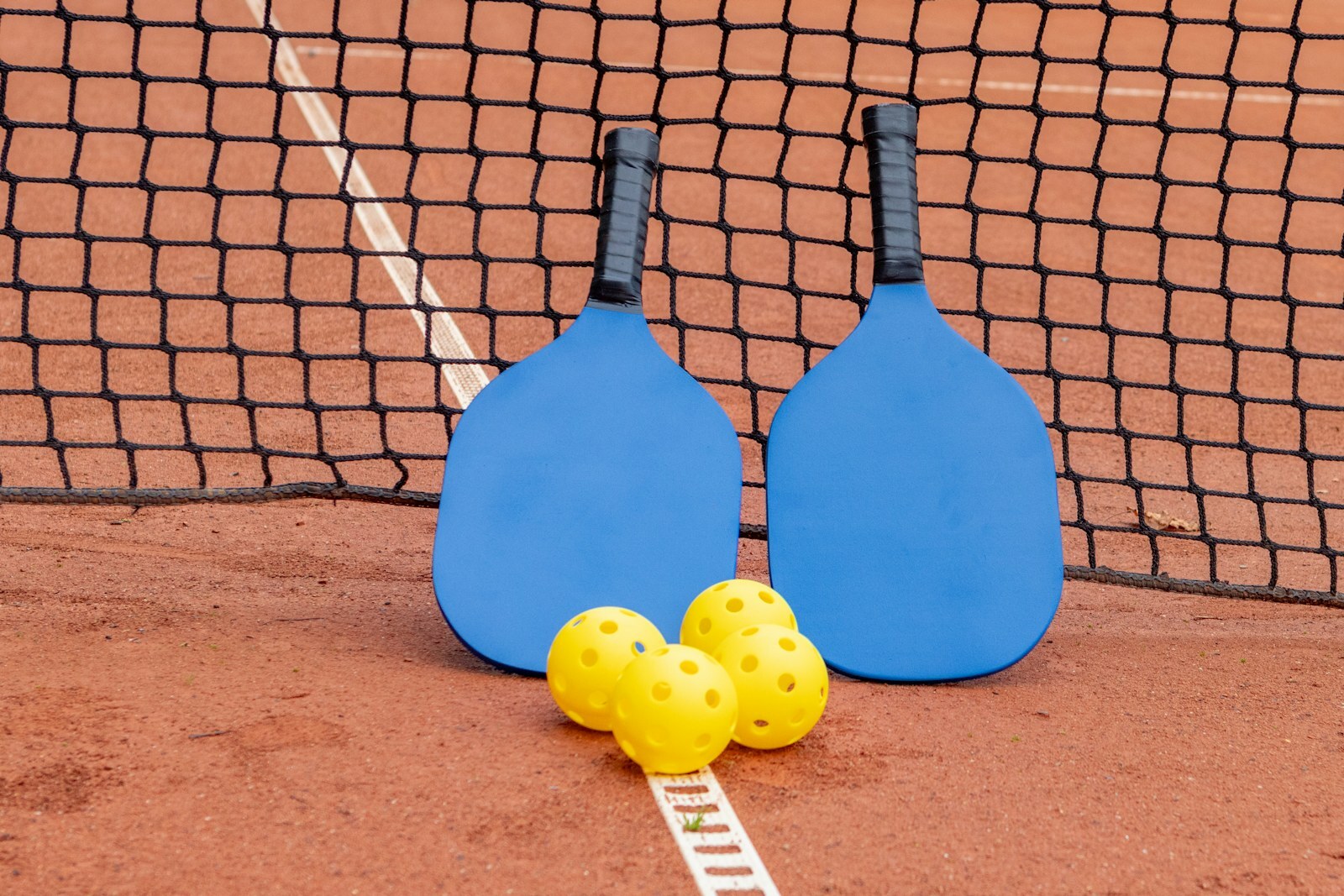
SoftWave Therapy for Pickleball Players in Wilmington, DE
Pickleball has taken over Delaware, and Wilmington is right in the middle of the boom. Courts at local parks and rec centers fill up fast, weekend leagues keep growing, and active adults who thought their competitive days were behind them are suddenly playing three or four times a week. It is fun, social, and genuinely good for you. It is also, for a lot of players, the fastest route to a nagging elbow, a sore shoulder, or a cranky Achilles that will not settle down. If you have been rubbing your forearm after every game or icing your knee more often than you would like, you are not alone, and you do not have to just play through it and hope.
At Integrative Physical Health in Wilmington, DE, Dr. Tim Ciolkosz, DC works with active adults who want to keep moving without pushing a small injury into a long-term problem. One of the tools he uses is SoftWave TRT, a non-invasive shockwave therapy designed to support the body's own tissue repair. For overuse injuries that tend to linger, this kind of regenerative approach can be a smart addition to a recovery plan. Here is why pickleball injuries happen, why they can be so slow to heal, and how SoftWave fits in.
Why Pickleball Loves Your Joints and Then Hurts Them
Pickleball is deceptively demanding. The paddle is light and the court is small, so it feels easy on day one. But the sport is built on repetition and quick changes of direction: hundreds of swings per session, sudden stops, lateral shuffles, lunges for the dink at the net, and reaches that put your shoulder and wrist in awkward positions. Add the fact that many players are in their 40s, 50s, 60s and beyond, and you have the perfect recipe for soft-tissue overuse. Tendons and ligaments that have lost a little elasticity over the years get loaded again and again with very little recovery time between games.
The most common complaints Dr. Ciolkosz hears from Wilmington pickleball players include:
- Pickleball elbow (lateral epicondylitis): the same overuse tendon irritation known as tennis elbow, felt on the outside of the elbow and forearm from repeated gripping and swinging.
- Rotator cuff strain: shoulder pain from overhead shots, serves, and reaching backhands that fatigue the small stabilizing muscles.
- Achilles tendon issues: stiffness or pain at the back of the heel from repeated push-offs and quick sprints to the net.
- Knee pain: aching around or below the kneecap from constant bending, pivoting, and stopping short.
- Wrist strain: soreness from paddle control, off-center hits, and the flick of the wrist on dinks and volleys.
What ties all of these together is that they are usually not dramatic, single-moment injuries. They build up quietly, and by the time they hurt enough to notice, the tissue has often been under stress for weeks.
Why Overuse Soft-Tissue Injuries Heal So Slowly
It can be frustrating when a tendon injury refuses to bounce back the way a bruise or a small cut would. There is a reason for that. Tendons and ligaments have a relatively poor blood supply compared with muscle. Blood carries the oxygen, nutrients, and repair signals that tissue needs to rebuild, so areas with limited circulation simply mend more slowly. On top of that, overuse injuries create a cycle: you rest a little, the pain eases, you go back on the court, and you re-irritate the same fibers before they have fully recovered. Chronic tendon irritation can also shift into a degenerative pattern where the tissue is not actively inflamed so much as poorly organized and under-nourished, which is exactly why rest and anti-inflammatories alone often stall out.
For active people, that slow timeline is the real problem. Nobody wants to sit out for months, but returning too soon keeps the injury simmering. This is where a therapy aimed at stimulating the repair process itself becomes interesting.
How SoftWave Helps Pickleball Injuries
SoftWave TRT delivers broad-focused acoustic waves into injured tissue using a patented parabolic reflector. It is the only broad-focused shockwave technology, which means the energy spreads through a wider treatment zone rather than concentrating on a single narrow point. Those waves are designed to reach deep into tendons, ligaments, and muscle and to jump-start the body's natural healing cascade. Rather than masking pain, the goal is to encourage the tissue to repair and remodel.
In plain language, here is what the therapy is designed to encourage:
- Stem cell activation: waking up and recruiting your body's own resident repair cells to the injured area.
- New blood vessel formation (angiogenesis): supporting fresh circulation through signals such as VEGF and eNOS, which matters a great deal in low-blood-flow tissues like tendons.
- Cell proliferation and collagen support: promoting factors such as PCNA and BMP that help build and organize healthy tissue.
- Inflammation modulation: helping calm an overactive inflammatory pattern so healing can move forward.
- Clearing out worn-out cells: helping the body remove senescent cells that clutter the repair environment.
Because it targets circulation and tissue repair, SoftWave is a natural fit for exactly the kind of poorly-vascularized, slow-to-heal overuse injuries pickleball tends to produce.
What a Session Is Actually Like
One of the biggest reasons active players appreciate SoftWave is that it does not force a break from life. It is non-invasive: no needles, no drugs, no surgery, and no downtime afterward. A typical session runs about 10 to 15 minutes. Most players go through a series of sessions over roughly 6 to 8 weeks, and because the therapy works with your body's own biology, healing can continue for weeks to months after the final visit. You are not sidelined by the treatment itself, which is a meaningful difference for someone who does not want to give up an entire summer of league play.
It is also worth being honest: results vary from person to person, and SoftWave is not a magic guarantee. What it offers is drug-free support for your natural recovery, and the right plan depends on your specific injury, how long you have had it, and your overall health.
If you are in the Wilmington area and a stubborn elbow, shoulder, or Achilles is keeping you off the court, request a SoftWave consultation at Integrative Physical Health to find out whether this approach fits your situation.
An Integrative Plan, Not a One-Size Fix
SoftWave rarely works in isolation. As an integrative practice, Integrative Physical Health can combine it with chiropractic care, spinal decompression, and red light therapy when appropriate, and Dr. Ciolkosz can also talk through simple technique and warm-up adjustments that reduce the odds of re-injury. Small changes, such as improving grip mechanics, easing back on play volume during recovery, and strengthening the muscles around a vulnerable joint, protect the gains you make in treatment. The point is to get you back to pickleball and keep you there, not just quiet the symptoms for a week.
SoftWave is also used by clinicians who work with professional and collegiate athletes and has been studied at leading institutions, which speaks to its growing role in sports recovery. For everyday Wilmington players, that same technology is available close to home.
Ready to Take the Next Step?
Do not let a lingering pickleball injury turn one bad week into a lost season. A consultation with Dr. Ciolkosz will determine whether SoftWave Therapy is a good candidate for your elbow, shoulder, knee, or Achilles so you can get back on the court with confidence.
Request your SoftWave Therapy new patient visit online today
Contact Integrative Physical Health
Integrative Physical Health
3105 Limestone Road, Suite 303
Wilmington, DE 19808
Phone: 302-510-6780
Our Main Office Website: https://integrativephysicalhealth.com/
‹ Back
Recent Posts
-
SoftWave Therapy for TMJ and Jaw Pain
June 24, 2026
-
-
SoftWave Therapy for Physically Demanding Jobs
May 12, 2026
-
SoftWave Therapy for Pickleball Players in Wilmington, DE
April 21, 2026
-


 3105 Limestone Road
