


Blog
SoftWave Therapy for TMJ and Jaw Pain
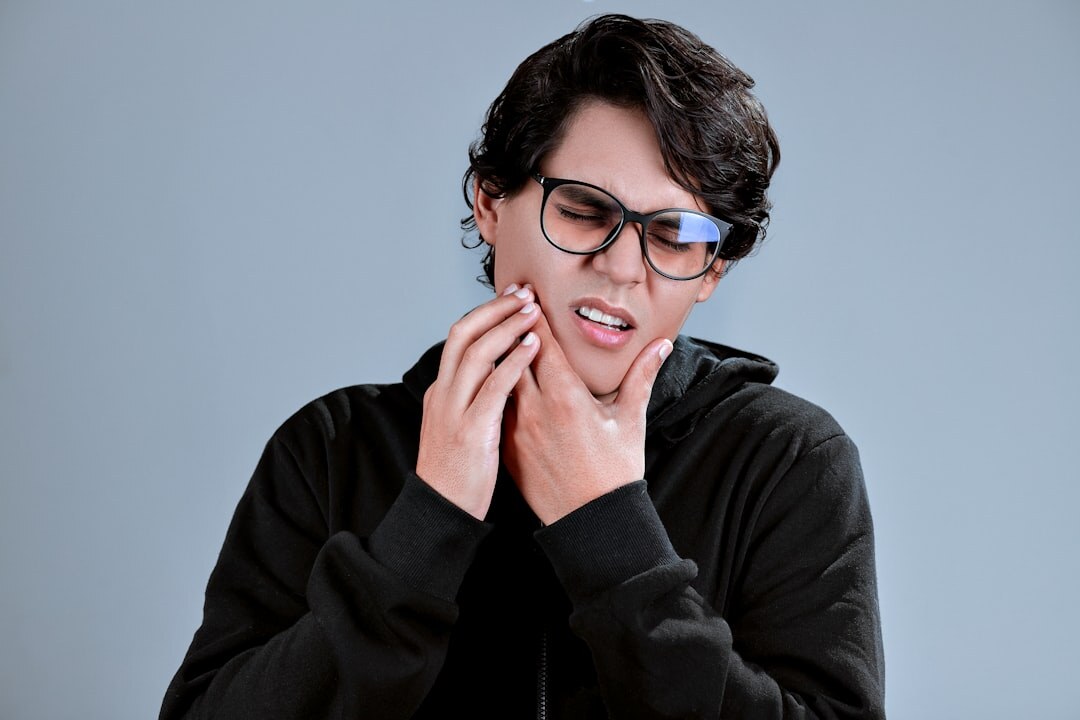
SoftWave Therapy for TMJ and Jaw Pain in Wilmington, DE
Jaw pain has a way of touching everything you do. Eating, talking, yawning, and even sleeping can become uncomfortable when the temporomandibular joint (the TMJ) is irritated. If you live in the Wilmington, DE area and you have been dealing with a clicking jaw, tightness along the sides of your face, or headaches that seem to start near your ears, you are not alone. At Integrative Physical Health, Dr. Tim Ciolkosz, DC and the team take a careful, whole-person approach to jaw discomfort, and SoftWave TRT is one of the tools they use to support the soft tissues and circulation around this complex joint.
TMJ dysfunction is rarely caused by a single thing, so it deserves a thoughtful evaluation rather than a quick fix. Below we explain what may be happening in and around the jaw, what tends to contribute to it, and how SoftWave may fit into a broader, conservative plan of care.
Understanding TMJ Dysfunction and Jaw Pain
The temporomandibular joints sit just in front of each ear and connect your lower jaw to your skull. They are small joints that do a surprising amount of work, opening and closing thousands of times a day as you speak and eat. Surrounding those joints is a web of muscles, ligaments, and connective tissue that has to move smoothly for the jaw to feel comfortable.
When something in that system is off, people often notice a cluster of symptoms rather than a single sensation. Common complaints include:
- Aching or sharp pain in the jaw, cheek, or in front of the ear
- Clicking, popping, or grinding sounds when opening or closing the mouth
- A feeling of tightness or fatigue in the jaw muscles
- Headaches, especially around the temples
- Difficulty or discomfort while chewing tougher foods
- A jaw that feels like it catches or does not open evenly
Because these symptoms overlap with other conditions, a proper assessment matters. Dr. Ciolkosz looks at how the jaw moves, how the surrounding muscles feel, and how the neck and upper back may be involved, since posture and cervical tension often play a role in how the jaw functions.
What Tends to Contribute to TMJ Problems
TMJ dysfunction is considered multifactorial, which simply means several things usually add up rather than one cause acting alone. Some of the more common contributors include:
- Clenching and grinding: Many people clench during the day or grind at night, sometimes without realizing it. This keeps the jaw muscles in a near-constant state of work.
- Stress and tension: Emotional stress often shows up physically in the jaw, shoulders, and neck, which can feed a cycle of tightness.
- Muscle tension and imbalance: When the muscles that move the jaw are overworked or unbalanced, the joint may not track smoothly.
- Joint irritation: Repetitive strain, minor injuries, or long-standing wear can leave the joint and nearby tissues sensitive and inflamed.
- Posture: A forward head posture, common with desk work and phone use, can change the resting position of the jaw over time.
Understanding which of these apply to you is part of why a hands-on evaluation is so valuable. The plan that helps one person may look different from the plan that helps a neighbor with similar symptoms.
How SoftWave May Support the Tissues Around the Jaw
SoftWave TRT uses electrohydraulic, spark-generated acoustic waves delivered through a patented parabolic reflector. This produces broad-focused shockwaves, which sets SoftWave apart from radial, electromagnetic, and piezoelectric devices. Those waves penetrate into the tissue and are designed to prompt the body's own healing responses in the treated area.
For jaw pain, the goal is not to force the joint into place. Instead, SoftWave is applied to the soft tissues and muscles surrounding the TMJ, where tension and reduced circulation often build up. It is meant to be a supportive, non-invasive option that works alongside other care rather than a standalone cure. TMJ is complex, and no single therapy should be expected to resolve every case.
In plain language, here is what SoftWave is designed to encourage in the tissue it treats:
- Stem cell activation and migration: Helping the body call its own repair cells toward the area.
- Angiogenesis: Supporting the formation of new blood vessels through signals such as VEGF and eNOS, which relates to a temporary increase in blood flow.
- Cell proliferation and collagen support: Involving factors like PCNA and BMP that relate to tissue repair.
- Modulation of inflammation: Helping calm an overactive local inflammatory response.
- Clearance of aging cells: Assisting the body in tidying up senescent cells so healthier tissue function can follow.
Among its FDA-cleared uses, SoftWave is recognized for the activation of connective tissue, a temporary increase in blood flow, and the temporary relief of minor muscle and joint pain. For jaw discomfort tied to tight, irritated soft tissue, those are the qualities that make it worth a conversation.
What a Session Is Typically Like
One of the reasons people appreciate SoftWave is the simplicity of the experience. Sessions are non-invasive, with no needles, no drugs, no surgery, and no downtime. A typical visit runs about 10 to 15 minutes, and most people return to their day right afterward. Care is usually delivered as a series over roughly 6 to 8 weeks, and because the therapy is designed to support the body's own healing cascade, the tissue response can continue for weeks to months after the final session.
Results vary from person to person, and a consultation is what determines whether you are a good candidate. For jaw pain in particular, Dr. Ciolkosz may combine SoftWave with other conservative measures based on what your evaluation shows.
If you are in the Wilmington area and jaw pain, clicking, or tension headaches have been wearing on you, request a SoftWave consultation at Integrative Physical Health to find out whether this approach fits your situation.
Why an Integrative Approach Makes Sense for the Jaw
Because the TMJ is influenced by muscles, posture, stress, and the neck, jaw pain often responds best to a combination of strategies rather than one isolated treatment. Integrative Physical Health is an integrative practice, and alongside SoftWave they offer chiropractic care, spinal decompression, and red light therapy. That range lets the team address more than the joint itself.
For example, chiropractic and soft-tissue care can help with the neck tension and postural patterns that frequently accompany TMJ problems, while SoftWave focuses on the health and circulation of the surrounding soft tissue. When these approaches work together, the aim is to give the jaw a better environment to settle and function, rather than chasing symptoms one at a time.
SoftWave technology has been studied at leading institutions and is used by clinicians who work with professional and collegiate athletes, which speaks to why practices like Integrative Physical Health have added it as part of a conservative toolkit. Still, no honest provider should promise a cure for a condition as layered as TMJ dysfunction. The goal is meaningful support, careful evaluation, and a plan built around you.
Taking the First Step
If jaw discomfort has been changing how you eat, sleep, or get through your day, the most useful thing you can do is get evaluated. Understanding what is driving your symptoms is the foundation of any plan that has a chance of lasting.
Ready to Take the Next Step?
You do not have to keep working around jaw pain, clicking, and tension headaches on your own. Reach out to the Wilmington team to learn whether SoftWave and integrative care could help support the tissues around your TMJ.
Request your SoftWave Therapy new patient visit online today
Contact Integrative Physical Health
Integrative Physical Health
3105 Limestone Road, Suite 303
Wilmington, DE 19808
Phone: 302-510-6780
Our Main Office Website: https://integrativephysicalhealth.com/
‹ Back
Recent Posts
-
SoftWave Therapy for TMJ and Jaw Pain
June 24, 2026
-

-
SoftWave Therapy for Physically Demanding Jobs
May 12, 2026
-

SoftWave Therapy for Pickleball Players in Wilmington, DE
April 21, 2026
-


 3105 Limestone Road
