
Blog
The Science of Angiogenesis: How SoftWave Boosts Blood Flow to Heal
Why Some Wilmington, DE Injuries Just Will Not Heal (and How Blood Flow Changes Everything)
If you live in Wilmington, DE and have been nursing a stubborn tendon, a cranky knee, or an ache that lingers for months, you have probably wondered why some injuries bounce back in days while others drag on and on. The answer often comes down to one quiet, underrated factor: blood flow. Tissues that receive a rich supply of oxygen and nutrients tend to repair quickly, while poorly nourished areas can stall for a long time. At Integrative Physical Health, Dr. Tim Ciolkosz, DC uses SoftWave TRT as one way to support the body's natural circulation and healing response, with a special focus on a process called angiogenesis.
This is a plain-language science explainer, with no jargon for its own sake and no invented studies or figures. Just a clear look at what angiogenesis is, why circulation is central to recovery, and how SoftWave is designed to help the body build the "supply lines" that healing depends on.
What Is Angiogenesis, in Everyday Terms?
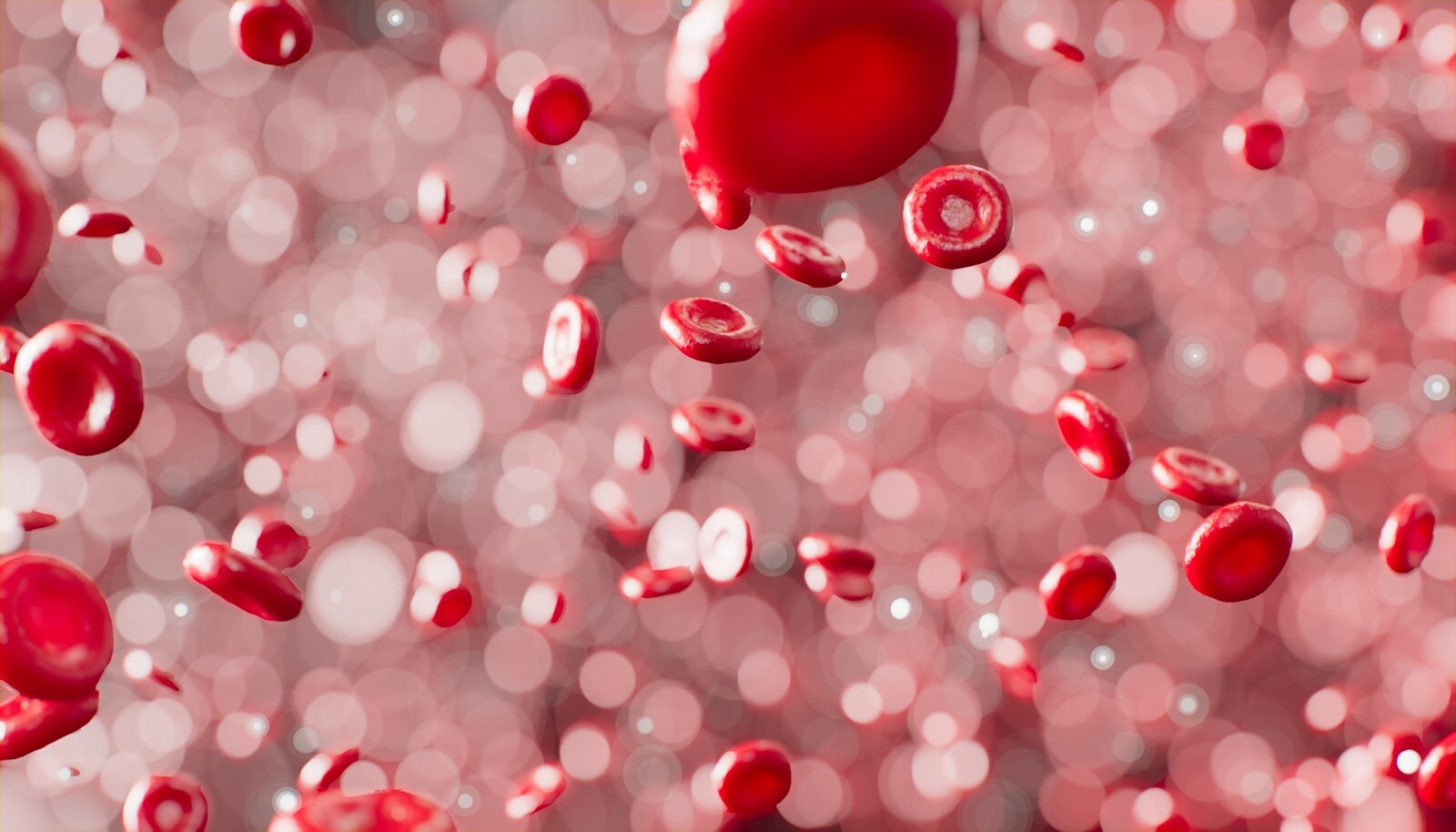
Angiogenesis is the formation of new blood vessels from existing ones. Think of it as your body laying down fresh plumbing to reach an area that needs more oxygen, more nutrients, and better waste removal. It is a normal, essential part of growth and repair. When you cut your finger and it heals, angiogenesis is part of the reason: tiny new capillaries sprout into the healing zone to deliver what the tissue needs to rebuild.
Your body regulates this process with signaling molecules. Two that come up often in the SoftWave conversation are VEGF and eNOS. VEGF, short for vascular endothelial growth factor, is a chemical messenger that tells the body to grow new blood vessels. eNOS, or endothelial nitric oxide synthase, helps produce nitric oxide, a molecule that relaxes and widens vessels so blood can flow more freely. When these signals are active in an injured area, the conditions for repair improve.
Why Blood Flow Is the Hidden Engine of Healing
Healing is hungry work. To rebuild damaged tissue, your body needs a steady delivery of oxygen, amino acids, growth factors, and immune cells, plus an efficient way to carry away cellular debris and inflammation byproducts. Blood is the transport system that makes all of that possible. When circulation to an area is strong, the repair crew shows up on time with the right materials. When circulation is weak, the whole project slows down.
This is why swelling, prolonged inflammation, and chronic aches so often overlap with sluggish local circulation. The tissue is trying to heal, but it simply is not getting enough traffic through its blood supply to finish the job. Improving that local flow, even temporarily, can help create a friendlier environment for repair.
Why Tendons, Ligaments, and Fascia Heal So Slowly
Not all tissues are created equal when it comes to blood supply. Muscles are richly vascularized, which is one reason a muscle strain can settle down relatively quickly. Tendons, ligaments, and fascia, on the other hand, are naturally low in blood vessels. They are dense, fibrous, and built for strength and load transfer rather than for rapid nutrient exchange.
That low vascularity is a double-edged sword. It makes these tissues tough and durable, but it also means that when they get injured, they can be painfully slow to recover. A cranky Achilles tendon, a tender rotator cuff, plantar fascia pain under the heel, or a lingering ligament sprain can nag for months precisely because the local blood supply is limited. This is where strategies that support circulation and angiogenesis become especially interesting for these hard-to-heal areas.
How SoftWave Is Designed to Support Angiogenesis and Blood Flow
SoftWave TRT stands for tissue regeneration technology. It uses electrohydraulic, spark-generated acoustic waves that are broad-focused through a patented parabolic reflector. In plain terms, it produces gentle mechanical energy waves that spread across a wide zone of tissue and penetrate deep beneath the surface. That is different from radial, electromagnetic, or piezoelectric devices. SoftWave is the only broad-focused shockwave of its kind.
When those waves pass through tissue, they act as a mechanical signal that can nudge the body's own healing cascade into action. Your cells respond to physical stimulation, and this is one of the ways SoftWave is thought to encourage repair without needles, drugs, or surgery.
The Science, Simplified
- Angiogenesis signaling: SoftWave is designed to help stimulate signaling factors like VEGF and eNOS, which are involved in prompting the body to form new blood vessels and widen existing ones.
- Better local circulation: By supporting new vessel formation and nitric oxide activity, the goal is a temporary increase in blood flow to the treated area, delivering more oxygen and nutrients where they are needed.
- Stem cell activation: The acoustic waves may help activate and recruit the body's own resident stem cells toward the treatment zone.
- Cell proliferation and collagen: Signals such as PCNA and BMP are associated with cell growth and collagen production, which matter for rebuilding connective tissue.
- Inflammation modulation: SoftWave is thought to help regulate the inflammatory response, including toll-like receptor activity, and support clearance of aged, non-productive cells.
To be clear and honest here: SoftWave is FDA-cleared for a temporary increase in blood flow, for activation of connective tissue, and for temporary relief of minor muscle and joint pain, among other cleared uses. That temporary increase in blood flow is exactly the mechanism this article is about, and it is one reason SoftWave appeals for poorly vascularized, slow-to-heal tissues.
If you are in the Wilmington area and have an injury that never seems to fully turn the corner, request a SoftWave consultation at Integrative Physical Health to find out whether improving local circulation could help your recovery.
What a SoftWave Experience Actually Looks Like
SoftWave sessions are non-invasive and typically take about 10 to 15 minutes. There are no needles, no medications, no incisions, and no downtime, so most people return to their day right afterward. Care is usually delivered as a series of sessions over roughly 6 to 8 weeks. Because you are supporting a biological process rather than masking a symptom, many patients notice that improvement continues to build for weeks to months after the final session, as the body keeps responding.
Results vary from person to person, and a consultation with Dr. Ciolkosz is the best way to determine whether you are a good candidate. At Integrative Physical Health, SoftWave also fits into a broader, integrative plan that can include chiropractic care, spinal decompression, and red light therapy, so your recovery is supported from more than one angle.
People drawn to this approach often include weekend athletes with stubborn tendon pain, active adults with lingering joint aches, and anyone frustrated by a slow-healing area that has not responded to rest alone. SoftWave has been studied at leading institutions and is used by clinicians who work with athletes.
The Bottom Line on Blood Flow and Healing
Healing is not magic, it is logistics. Your body needs strong supply lines to deliver the materials repair demands, and angiogenesis is how those supply lines get built. For dense, low-blood-flow tissues like tendons, ligaments, and fascia, that circulation can be the missing piece. SoftWave TRT is designed to help by encouraging angiogenesis-related signaling and supporting a temporary increase in local blood flow, all without needles, drugs, or downtime. It does not replace medical advice and is not a guaranteed cure, but for many people it offers a science-grounded way to nudge a stalled recovery forward.
Ready to Take the Next Step?
If a slow-to-heal tendon or joint has been holding you back in Wilmington, better circulation may be exactly what your tissue is waiting for. Reach out to learn whether SoftWave is a fit for your recovery goals.
Request your SoftWave Therapy new patient visit online today
Contact Integrative Physical Health
Integrative Physical Health
3105 Limestone Road, Suite 303
Wilmington, DE 19808
Phone: 302-510-6780
Our Main Office Website: https://integrativephysicalhealth.com/
‹ Back
Recent Posts
-
SoftWave Therapy for TMJ and Jaw Pain
June 24, 2026
-
-
SoftWave Therapy for Physically Demanding Jobs
May 12, 2026
-
SoftWave Therapy for Pickleball Players in Wilmington, DE
April 21, 2026
-


 3105 Limestone Road
