
Blog
Who Is a Good Candidate for SoftWave Therapy?
Who Is a Good Candidate for SoftWave Therapy in Wilmington, DE?
If you have been living with pain that will not quite go away, you have probably wondered whether the next treatment you try will actually be the one that helps. Maybe you have iced it, stretched it, rested it, and pushed through it, and the relief never seems to last. Here in Wilmington, DE, more people are asking a smart question before committing to another approach: am I actually a good candidate for this? SoftWave TRT has earned a lot of attention as a non-invasive way to support the body's own healing, and it is a fair, honest question to ask whether it is the right fit for your situation.
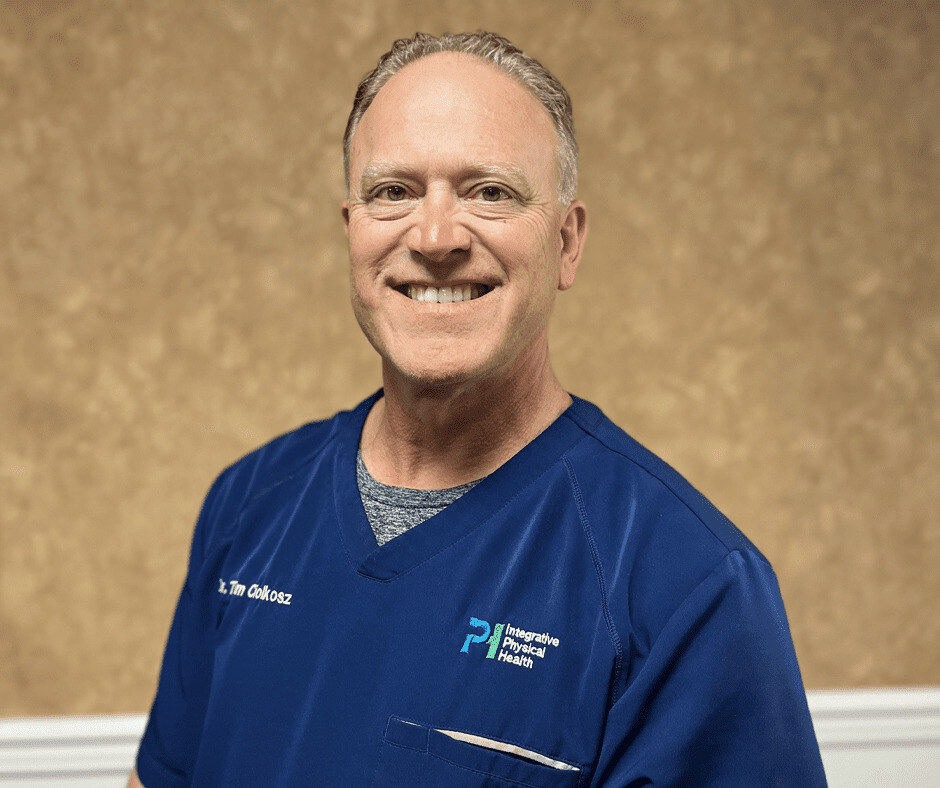
At Integrative Physical Health, Dr. Tim Ciolkosz, DC and the team use SoftWave TRT as part of an integrative approach to musculoskeletal care. SoftWave is not a one-size-fits-all promise, and no responsible provider should treat it that way. Instead, candidacy is determined through a consultation and hands-on exam. This article walks through the kinds of situations where SoftWave tends to be worth exploring, the signs that suggest you may be a good fit, and why the evaluation step matters so much before anything begins.
Common Signs You May Be a Good Candidate
There is no single profile of a SoftWave patient. People come in with very different histories, activity levels, and goals. That said, several patterns show up again and again among the people who ask about this therapy. If one or more of these sounds like you, a consultation may be worth your time.
You Have Chronic or Nagging Musculoskeletal Pain
Pain that has settled in for weeks, months, or longer is one of the most common reasons people look into SoftWave. This can include stubborn shoulder discomfort, aching knees, tennis or golfer's elbow, plantar foot pain, hip soreness, or low back tightness that flares with activity. When pain has become a background hum in your daily life rather than a one-time event, it often signals a tissue that has not fully recovered on its own. SoftWave is designed to help stimulate the body's natural repair processes in exactly these kinds of areas.
You Have a Slow-Healing Injury
Some injuries simply take longer than they should. Perhaps you rolled an ankle, strained a muscle, or aggravated a tendon, and months later it still is not right. Slow-healing soft tissue is another situation where SoftWave may be a reasonable option to discuss, because the therapy is intended to encourage better blood flow and cellular activity in tissue that has stalled in its recovery.
You Want to Avoid Surgery or Injections
Many people who come to Integrative Physical Health are looking for options before they consider more aggressive routes. If you have been told surgery or repeated injections might be next, and you would rather explore a conservative, non-invasive path first, SoftWave fits that mindset. It involves no needles, no drugs, no incisions, and no downtime. That does not mean it replaces medical advice or is right for everyone, but for people who want to try something gentler first, it is a natural conversation to have.
You Have Tried Other Approaches Without Lasting Relief
Rest, over-the-counter medication, generic stretches, and even other therapies can help for a while and then plateau. If you feel like you have done the reasonable things and still are not where you want to be, that history is useful information. It suggests the tissue may need a different kind of stimulus to move forward, which is the space where SoftWave is designed to work.
You Are Active and Want to Stay That Way
Not everyone who asks about SoftWave is in constant pain. Many are active people, weekend athletes, runners, gym regulars, gardeners, and busy parents, who feel the early warning signs of wear and want to stay mobile. Addressing a nagging issue before it becomes a bigger one is a smart, proactive reason to look into care.
How SoftWave Helps, in Plain Language
SoftWave TRT uses electrohydraulic, spark-generated broad-focused acoustic waves delivered through a patented parabolic reflector. It is the only broad-focused shockwave technology, which sets it apart from radial, electromagnetic, and piezoelectric devices. In everyday terms, it sends gentle acoustic waves deep into tissue to help wake up the body's own healing cascade. Here is a simple look at what those waves are designed to encourage:
- Stem cell activation: helping the body's resident stem cells become active and migrate toward the area that needs repair.
- New blood vessel formation (angiogenesis): supporting fresh circulation through signals such as VEGF and eNOS, so tissue gets more of what it needs to heal.
- Cell proliferation and collagen support: encouraging processes tied to PCNA and BMP that help rebuild and strengthen tissue.
- Inflammation modulation: helping calm the inflammatory environment so recovery can move forward.
- Cellular cleanup: supporting toll-like receptor regulation and the clearance of worn-out senescent cells.
A typical session runs about 10 to 15 minutes, and care is usually delivered as a series over roughly 6 to 8 weeks. Because the goal is to support your own biology, many patients notice that healing continues for weeks to months after the final session. Results vary from person to person, and no honest provider can guarantee an outcome.
If you are in the Wilmington area and you recognize yourself in any of the situations above, the best next step is a professional evaluation. Request a SoftWave consultation at Integrative Physical Health to find out whether you are a good candidate.
Why the Consultation and Exam Come First
The most important part of this whole conversation is not the technology. It is the evaluation. A good candidate is not determined by a website or a symptom checklist. It is determined by a provider who listens to your history, examines the area, and considers your overall health picture. During your visit, Dr. Ciolkosz will talk with you about how the problem started, what makes it better or worse, what you have already tried, and what you are hoping to get back to.
This step matters because some situations call for medical clearance or a different plan before SoftWave is appropriate. That is not a reason for worry. It is simply responsible care. The purpose of the exam is to make sure any approach is a sensible fit for you specifically, and to set realistic expectations about what care may involve. SoftWave also fits naturally within a broader, integrative plan at the practice, which offers chiropractic care, spinal decompression, and red light therapy, so the exam helps determine whether SoftWave alone or a combined approach makes the most sense.
What Makes SoftWave Appealing to Explore
For the right person, the appeal is easy to understand. It is non-invasive, requires no needles or drugs, involves no surgery, and asks for no recovery downtime, so most people return to their day right after a session. The technology has been studied at leading institutions and is used by clinicians who work with professional and collegiate athletes. That track record is part of why so many people in Delaware feel comfortable at least asking whether they qualify.
Ready to Take the Next Step?
If you have been wondering whether SoftWave Therapy could be a fit for your nagging pain or slow-healing injury, the honest answer starts with an exam, and there is no better time to find out than now. Let the team in Wilmington help you understand your options and whether you are a good candidate.
Request your SoftWave Therapy new patient visit online today
Contact Integrative Physical Health
Integrative Physical Health
3105 Limestone Road, Suite 303
Wilmington, DE 19808
Phone: 302-510-6780
Our Main Office Website: https://integrativephysicalhealth.com/
‹ Back
Recent Posts
-
SoftWave Therapy for TMJ and Jaw Pain
June 24, 2026
-

-
SoftWave Therapy for Physically Demanding Jobs
May 12, 2026
-

SoftWave Therapy for Pickleball Players in Wilmington, DE
April 21, 2026
-


 3105 Limestone Road
